Why Burnt Ends Are Worth the Hype

Barbecue is full of cuts, techniques, and traditions that can be easy to misunderstand.
Burnt ends are one of the most talked-about and often misunderstood examples. Some people consider them the best bite in barbecue, while others are unsure what to expect, especially when it comes to texture and richness.
Understanding where burnt ends come from and how they are prepared explains why they stand apart and why they continue to be one of the most sought-after items on the menu.
Burnt Ends Start with the Right Cut
Burnt ends come from the point end of a brisket, also known as the deckle.
This portion of the brisket is naturally more marbled than the flat, which is what gives burnt ends their richness and depth of flavor. It also means there is less of it. From a 4 to 5 pound brisket, only about a pound to a pound and a half becomes burnt ends.
That limited yield is part of what makes them so desirable, but it is the flavor and texture that keep people coming back.
Low and Slow Is the Foundation
Burnt ends rely on the same process that defines great barbecue.
The brisket is cooked low and slow to allow the fat to render and the seasoning to settle into the meat over time. As the process unfolds, connective tissue breaks down and the texture becomes tender while still holding structure.
The bark remains intact, creating a slight crust on the outside that contrasts with the softness inside. That balance is what gives burnt ends their distinct character.
This same approach is what defines Kansas City–style barbecue and why patience plays such a big role in the final result.
Richness Is Part of the Experience
One of the most common reactions to burnt ends is that they are rich.
That richness comes directly from the marbling in the cut. When cooked properly, the fat renders down and contributes to the tender texture and depth of flavor that people often describe as “meat candy.”
Burnt ends are not meant to eat like a lean slice of brisket. They are designed to be bold, smoky, and indulgent, with a texture and flavor that reflect the cut they come from.
Sauce Complements the Meat
Burnt ends are often associated with sauce, but the meat itself comes first.
The goal is to let the smoke, seasoning, and natural flavor of the brisket stand on their own. From there, sauce becomes a way to personalize the experience.
Different preferences are part of what makes barbecue approachable, which is why multiple sauce options are available at the table at BBQ'd Productions. While many guests gravitate toward a slightly sweet and smoky pairing, the choice ultimately comes down to individual taste.
Limited Supply Is Part of the Process
Burnt ends are not something that can be produced in large quantities without changing the process.
Because they come from a specific part of the brisket and require time and attention to prepare properly, availability is naturally limited. This is why they tend to sell out once people experience the flavor for themselves.
How People Order Them
Burnt ends are often enjoyed on their own, but they also show up in some of the dishes people come back for again and again.
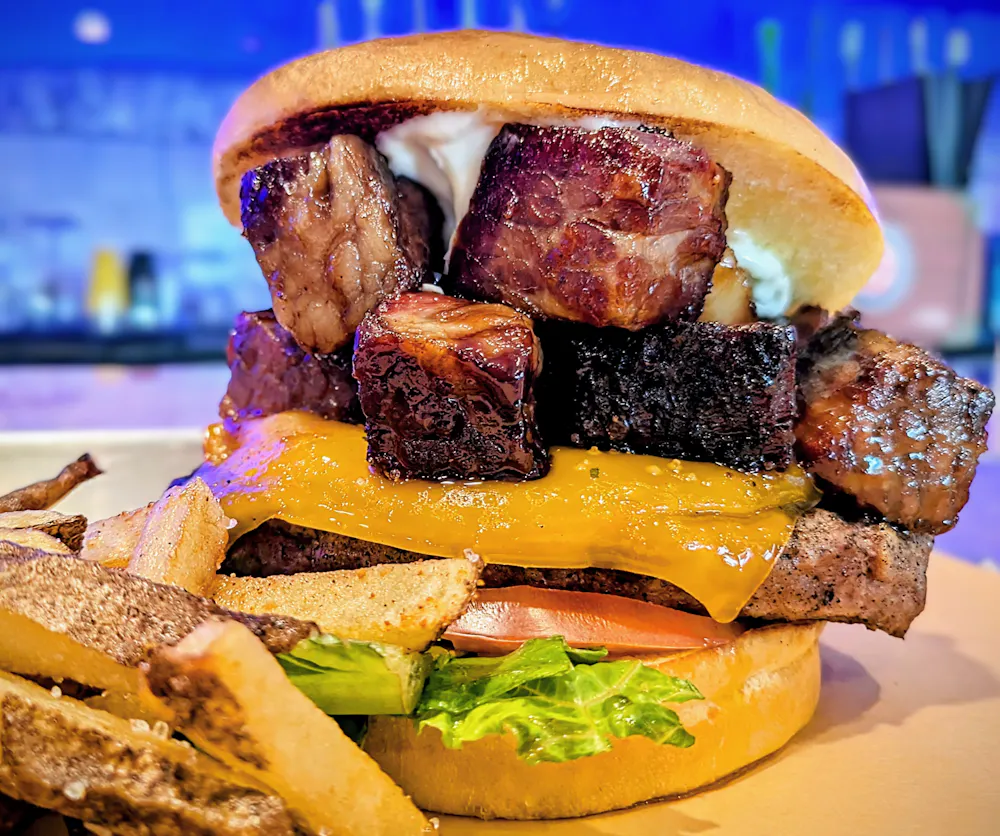
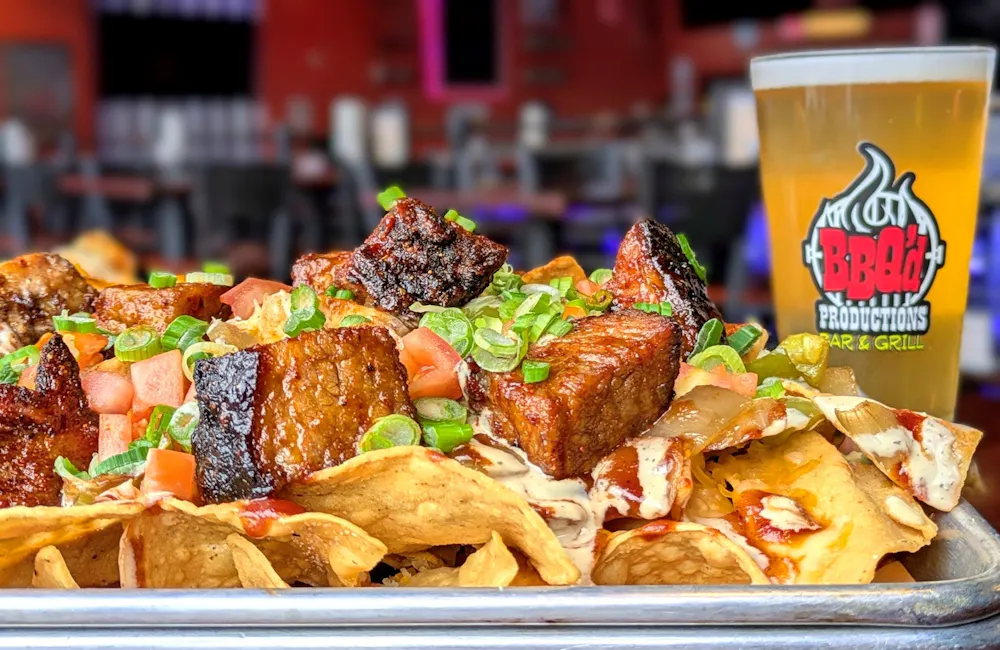
At BBQ’d Productions, they are layered into smoked gouda mac and cheese, topped on nachos, and even added to burgers, where their richness enhances the other flavors.
It is a different way to experience them, especially for guests who want something shareable or are trying them for the first time.
Why They Continue to Stand Out
Burnt ends represent what barbecue can be when time, process, and attention to detail come together.
The combination of smoke, texture, and richness creates a bite that is distinct from other cuts. For many people, it becomes the reference point for what great barbecue should taste like.
If you have never tried them or have been unsure what to expect, they offer a different way to experience barbecue at its best. Burnt ends bring together texture, flavor, and patience in a way few cuts can, which is why they continue to stand out long after the first bite.
The best way to truly understand burnt ends is to experience them for yourself.